Patient Blood management in cardiac surgery: what is the place of aprotinin?

Free online EACTA webinar
Click here to access the on-demand (available in open access)

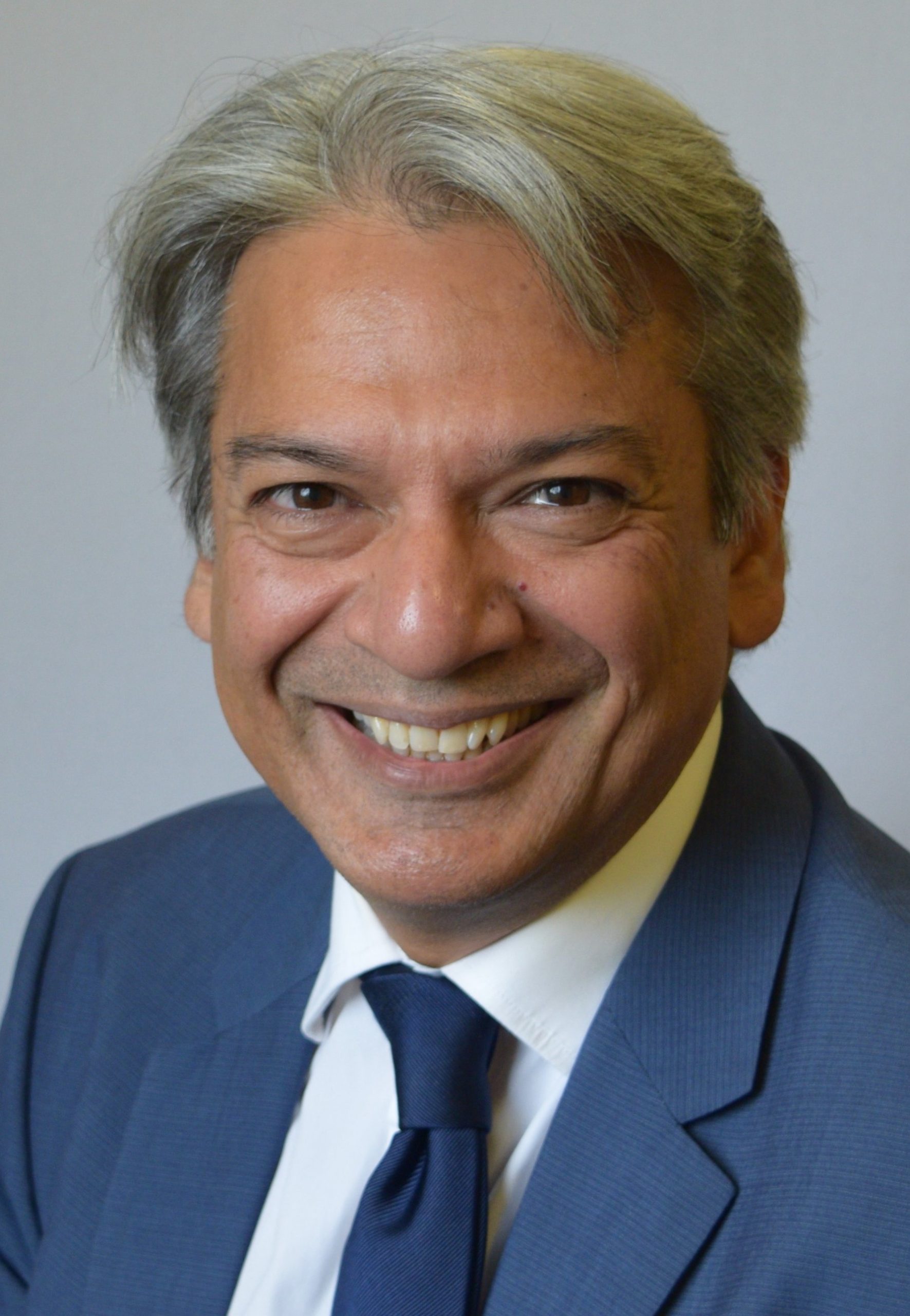
Take home message – dr. Aamer Ahmed:
  • Bleeding and transfusion are still a problem in cardiac surgery
  • The nature of cardiac surgery is changing with ageing patient population
  • Increased bleeding and increased transfusion raise the mortality and morbidity risks
  • Improved patient blood management programmes have led to reductions in transfusion
  • EACTA Guidelines recommend as 1A evidence the use of antifibrinolytic agents such as aprotinin and tranexamic acid
  • TXA use is not without risk – seizure activity in high doses
  • Aprotinin shown to be safe in high risk cardiac surgery

    Current product license is for use in high risk isolated coronary artery bypass grafting

What’s in it for me?

After joining the webinar, you will better:

  • Recognize the impact of bleeding and transfusion on patients’ outcomes after cardiac surgery.
  • Identify predictors for bleeding after cardiac surgery.
  • Plan for prevention of bleeding and blood transfusion reduction after cardiac surgery.
  • Describe the current supportive evidence and roles of aprotinin to minimize postoperative transfusion after cardiac surgery.
  • Discuss the safety and patterns of using aprotinin for cardiac surgery in light of the Nordic Aprotinin Patient Registry (NAPaR).

The Patient Blood Management in Cardiac Surgery: What is the Place of Aprotinin?, Rome, Italy, 03/05/2021-03/05/2021 has been accredited by the European Accreditation Council for Continuing Medical Education (EACCME®) with 1 European CME credits (ECMEC®s). Each medical specialist should claim only those hours of credit that he/she actually spent in the educational activity.

Target Audience:

Cardiac surgeons, cardiovascular anaesthetists, perfusionists, intensivists, general anaesthetists, anaesthesia certified nurses, nurses, interns, and medical students.

Scientific director: 

Mohamed R. El Tahan
EACTA Education chair


Share this event
Scientific Moderator:

Aamer Ahmed
United Kingdom

Programme:
Time Topic Speaker
17:00–17:20 Bleeding and transfusion in cardiac surgery: where are we now? Aamer Ahmed, United Kingdom
17:20–17:40 Aprotinin in current clinical practices: sharing of experience Steffen Rex, Belgium
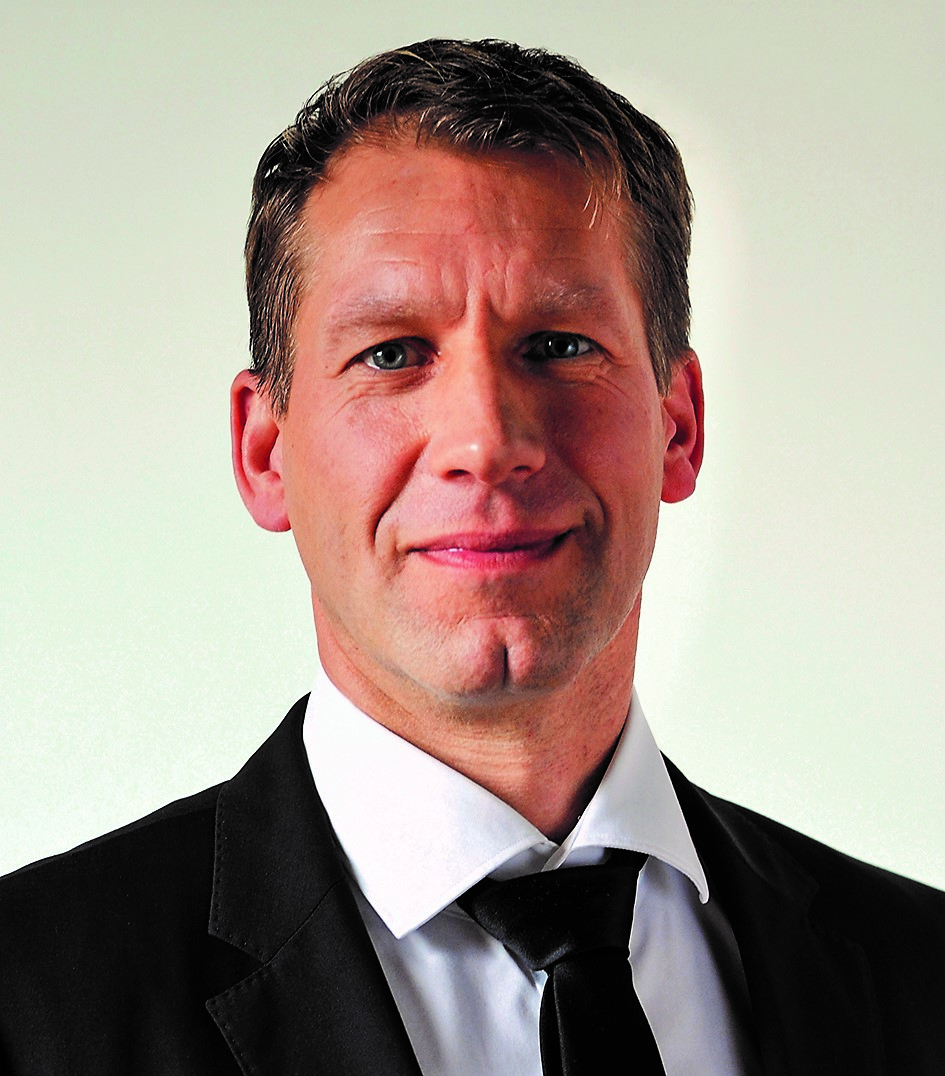
17:40–18:00 Latest data from the Aprotinin Patient Registry Kai Zacharowski, Germany
18:00–18:25 Q&A from the audience -
18:25–18:30 Wrapping up and Adjourn Aamer Ahmed, United Kingdom

The webinar is supported by an unrestricted educational grant by Nordic Pharma.

No, the registry is now closed.
Speakers: Kai Zacharowski

Because there are a lot of costs and no interest of pharma.
Speakers: Kai Zacharowski

This is based on data - EMA has visited this and approved.
Speakers: Kai Zacharowski

This is one of the reasons why a test dose must be given.
Speakers: Steffen Rex

This is due to the fact that CABG + valve surgery was performed much more frequently.
Speakers: Steffen Rex

In Belgium, one vial costs around 70Euro. For a half Hammersmith scheme, approximately 5-6 vials are needed.
Speakers: Steffen Rex

Personally, I have no experience with this. In the literature, however, there is plenty of evidence on the use of aprotinin in infants, neonates and children.
Speakers: Steffen Rex

We do not do it.
Speakers: Steffen Rex

High dose: cumulative doses > 100mg/kg
Speakers: Steffen Rex

8g/dl unless there is active bleeding going on. In the elderly i.e.>80 undergoing simple CABG or if there are severe comrbidities my threshold rises to 9g/dl.
Speakers: Aamer B Ahmed

Yes we do. Anticouagualtion is managed in the same manner in hypothermia as it is in normothermia ie celite ACT >480s or kaolin ACT >700. Same full Hammersmith regimen ie 2MU loading, 2MU into CPB pump and 0.5MU/hr infusion.
Speakers: Aamer B Ahmed

This is why the registry figures were skewed towrds UK use. In the UK the drug has always been used in selected high risk cases such as redo surgery, combines valvle and CABG, or thoracic aortic work. Very few uses in the iCABG category unless at high risk for bleeding.
Speakers: Aamer B Ahmed

EACA is not available in the UK, only in the US. I have no experience of it however it is considered safe and effective in the USA.
Speakers: Aamer B Ahmed

Paul Myles's study did suggest that the higher mortality and seizures seemed to occur more frequently in open heart rather than closed heart procedures. They did not postulate why. Seizure activity is primarly caused by high plasma levels of TXA such as those used in the study initially at 100mg/k. This dose was then halved during the study. High dose TXA is associated with seizure activity however at the doses most of us use it is a safe and effective drug.
Speakers: Aamer B Ahmed

Indeed, it is a rare complication based on hugh dose usage. The objective of the webinar is to highlight that there is no such thing as the perfect drug, each has its own side effect profile and must be considered on an individual patient basis.
Speakers: Aamer B Ahmed

Correct. The SmPC prduct license is for isolated CABG surgery using CPB. However the webinar aimed to explore and discuss its current use amongst clinicians and as the registry shows only about 25% of its use, (mainly in Germany and Austria) was in its licensed use. In the Nordic countriis and UK it was used in the other indications.
Speakers: Aamer B Ahmed

Correct.
Speakers: Aamer B Ahmed